
Skip to content

Diagnose yourself

Diagnose yourself

Diagnose yourself

Lower back pain – Symptoms that warrant an urgent evaluation!

Lower back pain is a common problem in individuals of all ages. Most of the causes are benign that is related to an abnormal posture, excessive weight lifting, or as a part of systemic pain syndromes. Since most of the causes are benign, majority of the patients respond to simple pain relief medicines and rest....

June 27, 2019 · 5 min read

Diagnose yourself

PUO (Pyrexia of Unknown Origin) – Causes & Workup

PUO or Pyrexia of unknown or FUO (Fever of unknown origin) origin refers to a febrile state of a prolonged duration without any obvious cause. It is important to note that PUO is not a diagnosis, it is a failure on the part of the physician to reach a diagnosis. Quite often, the physician is...

June 16, 2019 · 7 min read

Diagnose yourself

Hematuria or blood in urine – How to evaluate?

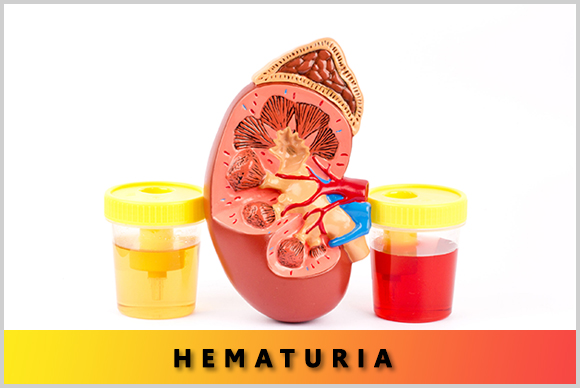
Hematuria is a common symptom affecting men and women of all ages. The cause is usually a benign one but serious underlying conditions like malignancies may manifest for the first time with hematuria. Gross versus Microscopic Hematuria: Gross hematuria is visible to the naked eye. A little as 1 ml of blood in the urine...

March 14, 2019 · 4 min read

Diagnose yourself

Pleural Effusion – How to interpret the results?

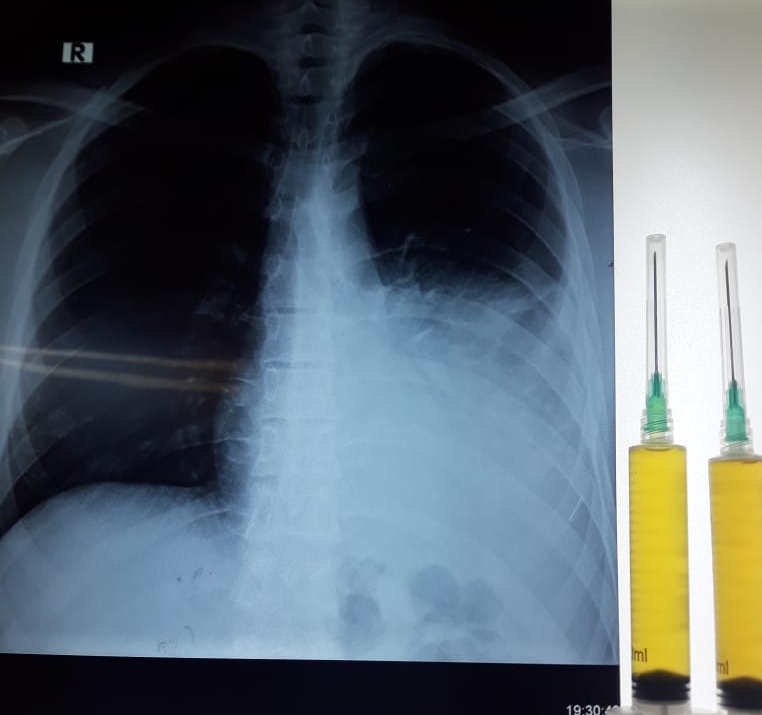
Pleural effusion is the accumulation of fluid in the pleural cavity. Fluid in the pleural cavity may be part of a systemic process or due to a diseased pleura. Pleural effusion does not mean simple fluid, it can be blood, pus, serous, malignant or infective in nature. All these may be diagnosed as pleural effusion...

January 17, 2019 · 6 min read

Diagnose yourself

Medically important causes of Spider Angiomata

Spider Angiomata are tiny vascular lesions characterized by a central pulsating arteriole with radiating branches. The narrow vascular branches resemble the legs of a spider. Spider angiomata is also called as a Spider Nevus, Spider Angioma, and Nevus Araneus. Up to 15% of the healthy population may have one or more spider angiomata. What causes...

January 6, 2019 · 3 min read

Diagnose yourself

Nausea and vomiting – Common causes

Nausea is the unpleasant sensation of being about to throw up. Nausea may be secondary to a disorder of the GI tract, however, other causes are not uncommon. Nausea may or may not be followed by vomiting. Vomiting is the actual throwing out of gastric contents. Vomiting is a protective reflex in animals and humans...

December 12, 2018 · 4 min read

Diagnose yourself

Tired and Fatigued all the time – Know the causes!!

Being tired and weak all the time may be a symptom of an underlying serious disease. Fatigue is a subjective feeling of tiredness and lack of energy during or after physical activity or avoiding/ lack of interest in physical activity. Individuals must be evaluated for medical causes of tiredness and fatigue prior to associating it...

November 21, 2018 · 10 min read

Diagnose yourself

Life-threatening diseases often misdiagnosed!!

Here is a list of diseases commonly misdiagnosed. These include a heart attack, stroke and all other conditions which may be life-threatening if not timely diagnosed. Patients with the same medical conditions can present differently. The classic presentation of disease, written in books is present in only a minority of patients in most conditions. Furthermore,...

September 27, 2018 · 11 min read

Diagnose yourself

Nail changes – clues to some serious diseases!!

Nail changes can give us important clues to some very important underlying systemic diseases. Identifying these changes and correlating them with the patient’s symptoms is very important. Diseases affecting the nails can lead to social, psychological and physical damage. Nails provide protection to the tips of the fingers and toes and help in grasping objects....

August 15, 2018 · 7 min read

Diagnose yourself

Jaundice or icterus is a symptom and not a disease!!

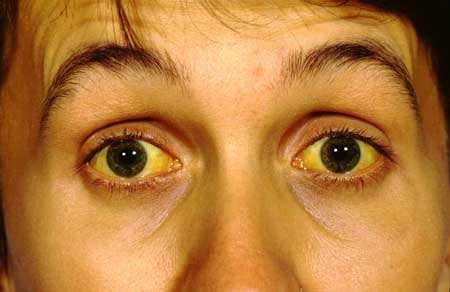
Jaundice is the yellowish discoloration of the skin, mucous membranes, and sclera. This yellowish discoloration is imparted by a chemical in the blood called Bilirubin. Bilirubin is the end product of heme which is produced when red blood cells are destroyed. After red blood cell lysis, the heme is converted to bilirubin which is then...

July 20, 2018 · 9 min read