Skip to content

Author: Farhan

laboratory

LFTs (liver function tests) – Is my liver failing?

Liver diseases are very prevalent worldwide. Abnormal LFTs (liver function tests) are frequently detected in asymptomatic individuals during screening. A study in the US found that 8.9% of healthy individuals had abnormal ALT. This high number of abnormal ALT levels were in part related to the obesity epidemic. In the western world, alcohol and obesity...


August 19, 2018 · 8 min read

Diet&Drugs

NSAIDs/ Painkillers are not chocolates !!

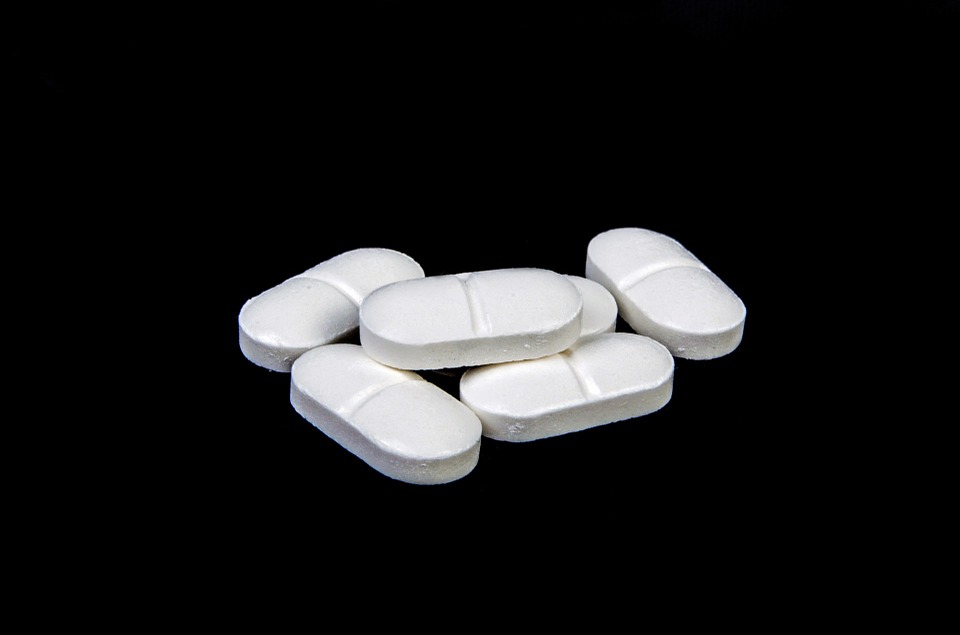
Painkillers can be classified as narcotics and non-narcotics or steroidal anti-inflammatory drugs and NSAIDs (non-steroidal anti-inflammatory drugs). This article focuses on the adverse effects of non-steroidal anti-inflammatory drugs. Adverse effects of other painkillers especially acetaminophen or paracetamol (Tylenol) shall be discussed in some other article. Non-steroidal anti-inflammatory drugs are the most overused drugs Non-steroidal anti-inflammatory...

August 18, 2018 · 7 min read

Diagnose yourself

Nail changes – clues to some serious diseases!!

Nail changes can give us important clues to some very important underlying systemic diseases. Identifying these changes and correlating them with the patient’s symptoms is very important. Diseases affecting the nails can lead to social, psychological and physical damage. Nails provide protection to the tips of the fingers and toes and help in grasping objects....

August 15, 2018 · 7 min read

endocrinology

PCOS or Polycystic Ovarian Syndrome – an Overview

PCOS or Polycystic ovarian syndrome and polycystic ovaries are two different conditions which are often used synonymously. Polycystic ovaries refer to a condition in which at least one of the ovaries contain twelve or more follicles. Thus polycystic ovary is a radiological diagnosis. In contrast to polycystic ovaries, the polycystic ovarian syndrome is a triad...

August 9, 2018 · 4 min read

News and updates

Aspirin for primary prevention of vascular events

Low dose aspirin is widely used in the primary and secondary prevention of vascular diseases. However, weight-based dosing of aspirin is probably more effective in the prevention of cardiovascular diseases, especially in obese patients weighing more than 70 kgs. Aspirin (chemical name Acetyl-salicylic acid) is a drug used in the treatment of pain, fever, inflammatory...

August 5, 2018 · 4 min read

endocrinology

Pituitary gland hormones- The controller hormones!

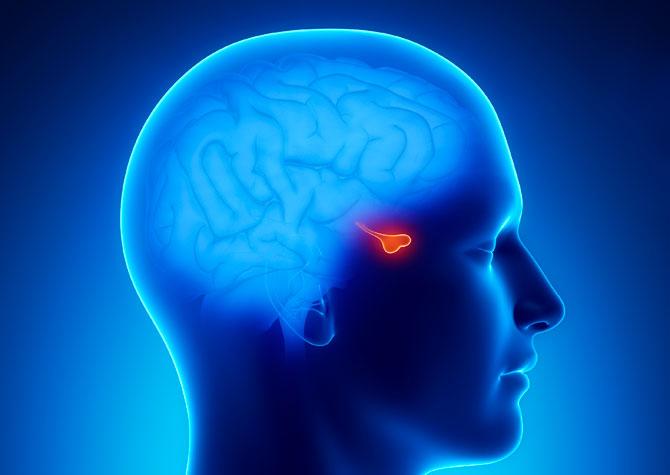
The pituitary gland is a pea-sized structure located in the base of the brain responsible for secreting a variety of hormones. These hormones are either directly or indirectly controlling the metabolic activities of the body and other functions. Anatomy and physiology of the pituitary gland The pituitary gland has two distinct structures. Anterior pituitary and...

August 4, 2018 · 6 min read

News and updates

Dulaglutide, once weekly antidiabetic medicine!

Dulaglutide is a long-acting GLP-1 (glucagon-like peptide 1) agonist that enhances glucose-dependent insulin secretion and delays gastric emptying, thus it controls postprandial blood sugars. Chronic conditions like diabetes and hypertension require a timely intake of medications. Diabetes may be controlled with diet and exercise early in its course. As time progresses blood sugars increase owing...

July 30, 2018 · 5 min read

Nephrology

Complications and problems in Kidney transplant patients

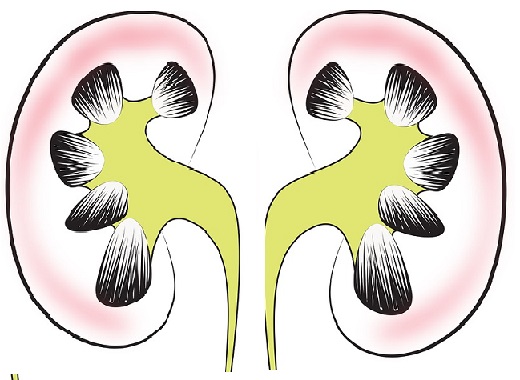
Kidney transplant patients might be relieved of the burdens of hemodialysis but life after kidney transplantation is not devoid of complications. Apart from managing the financial and social burdens of kidney transplantation, medical problems are of the utmost importance to be timely evaluated and managed. Medical Complications in a Kidney Transplant patient: Patients after kidney...

July 27, 2018 · 8 min read

Diagnose yourself

Jaundice or icterus is a symptom and not a disease!!

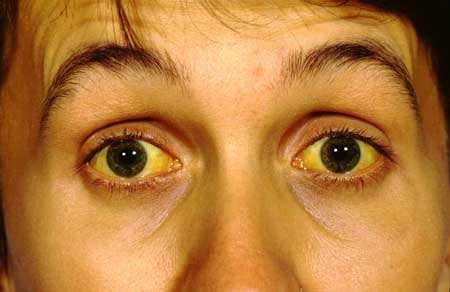
Jaundice is the yellowish discoloration of the skin, mucous membranes, and sclera. This yellowish discoloration is imparted by a chemical in the blood called Bilirubin. Bilirubin is the end product of heme which is produced when red blood cells are destroyed. After red blood cell lysis, the heme is converted to bilirubin which is then...

July 20, 2018 · 9 min read

endocrinology

Vitamin D deficiency, Causes, and Toxicity

Vitamin D deficiency is very common worldwide. Reduced intake of vitamin D rich food items and sun exposure are the primary factors leading to vitamin D deficiency. Vitamin D deficiency causes hypocalcemia and hypophosphatemia leading to reduced mineralization of bones. Other than its effects on bones, it is now thought to have effects on almost...

July 17, 2018 · 8 min read